Fridge Reset
An organized fridge reduces food waste, saves money, and makes cooking dramatically easier. Here's the system.
Every shelf has
a purpose
Assign permanent zones to your fridge shelves and doors. When every item has a designated location, the weekly fridge reset takes under 10 minutes.
Leftovers & Dairy
Leftovers in clear, labeled containers. Dairy products. Items that need to be used first — most visible location means least likely to be forgotten.
Cooked Foods & Drinks
Prepared foods, marinating proteins (covered), cold beverages. The middle shelf maintains the most consistent temperature.
Raw Produce & Proteins
Vegetables in the crisper drawer. Raw meat on the very lowest shelf, always sealed — to prevent cross-contamination from drips.
Condiments & Drinks
The door is the warmest part of the fridge. Use it for condiments, juices, bottled water. Never for eggs or dairy — contrary to popular design.
Check every shelf before shopping
A 2-minute scan of your fridge before writing your shopping list prevents buying duplicates of what you already have.
Label leftovers with date
A piece of masking tape with the date written on it. The rule: if it's been in the fridge more than 4 days, it's gone.
Wipe one shelf per week
Don't try to do the whole fridge at once. Rotate through shelves — one per weekly reset. Over four weeks, the entire fridge is wiped clean.
Empty before restocking
When groceries arrive, put them away last. First: clear out expired items and reorganize what's already there. Then stock new items to the back.
Extend produce
freshness by 50%
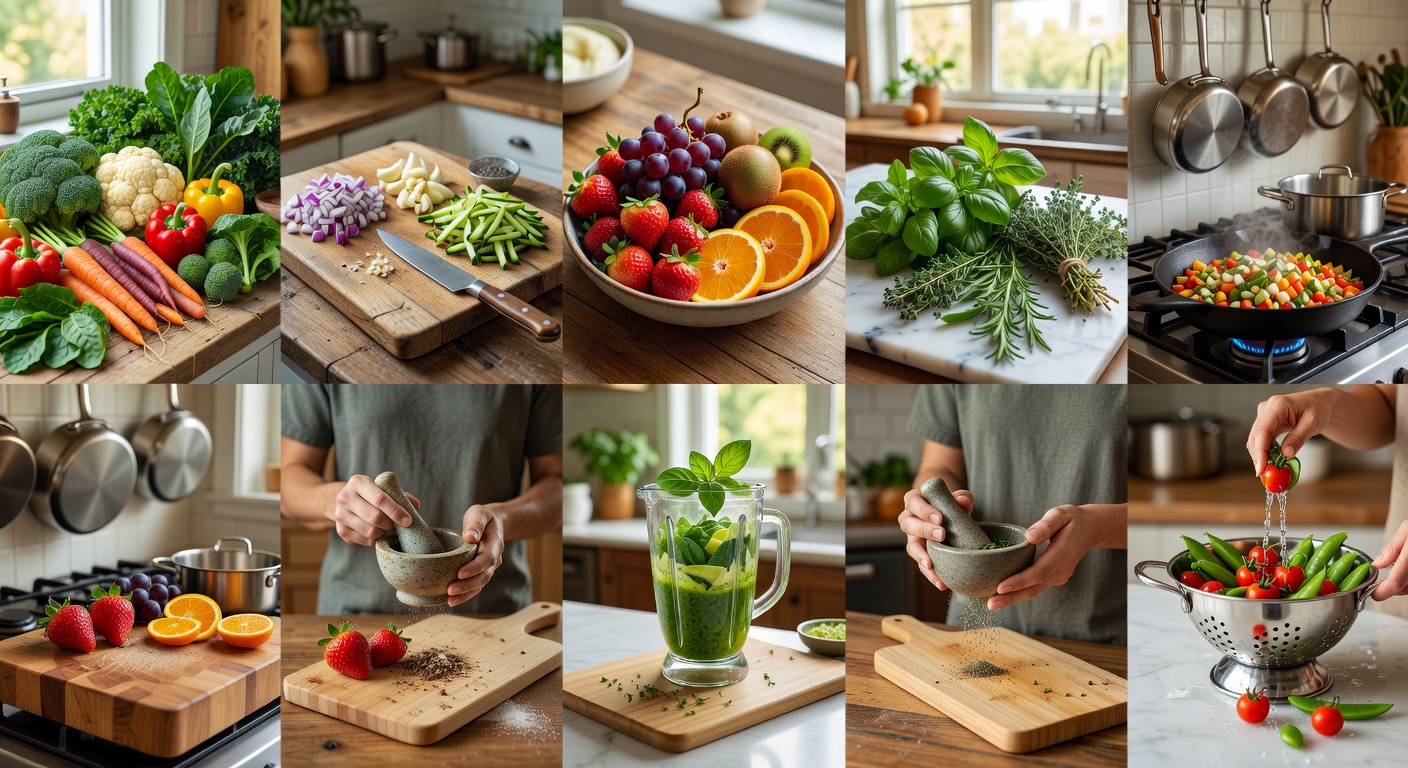
The single most impactful fridge habit is storing produce correctly. Leafy greens wrapped in a dry paper towel and stored in a sealed container last 2–3× longer than thrown loosely into the crisper.
Keep fruits and vegetables in separate crisper drawers — fruits emit ethylene gas that accelerates the spoilage of vegetables. This small separation meaningfully extends freshness.
Get the Weekly Checklist